Decolonization · 1954-1962

Algeria's war of independence

France saw Algeria not as a colony but as part of France itself. In 1954 Algerian nationalists rose in revolt, and an eight-year war followed that toppled a French government and ended in independence in 1962. Students compare the views of Algerians, French settlers and people in France.

Length
50 minutes
Ages
13–16
On the map
3 steps, AD 1938 to AD 1960
Live lesson
7 rounds, 3 on the map
Homework
The same rounds, a week long
Worksheet
Two A4 pages, with Classroom
Slides
22 slides, with Classroom
You need
A projector; phones for live
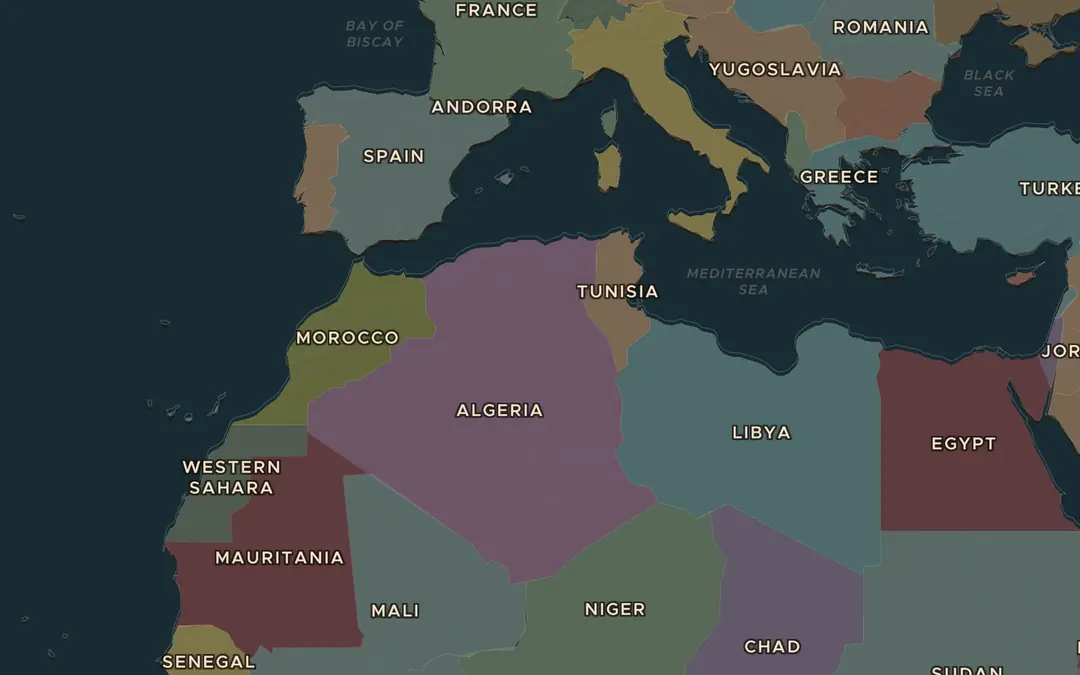
Plate 475Decolonization, AD 1960. The letters mark the three map steps of this lesson.

A call from history · new

Charles de Gaulle is on the line. The class decides.

Autumn 1960, after major protests in Algiers and Paris
Élysée Palace, Paris

“You must decide whether to keep fighting a costly and divisive war to maintain Algeria as part of France, or to begin negotiations for Algerian self-determination, which could lead to independence. Both choices risk unrest and anger, either from French settlers in Algeria or from those in France who want to end the war.”

Should I keep Algeria as part of France at all costs, or start talks for Algerian self-rule? The caller speaks English, in their own voice, from a short brief of textbook facts, knows nothing of what came later and never tells the outcome; the screen does, after the call. On the live board the telephone rings the whole class: the teacher answers on the room's microphone, and students write to the caller from their phones.

Sign in to take the call

Calls come with Pro (5 a month) and Classroom (20 a month, ringing the whole class). How calls work

Live lesson · new in Classroom

Teach it live. The class answers on their phones.

Put the board on the projector. Students join with a six-digit code, no account needed, and tap the map: where was the frontier, where did the grain come from. Their pins drop in together when you reveal, and the closest student takes the round.

€19 per month: every lesson live, every worksheet, cancel anytime. Rome at its height runs live for free.

A live lesson on the projector: the class's pins on the map around Alexandria, the closest students listed beside it A student's phone: the question and a map to tap
7 rounds
3 places to find on the map, quiz questions, a class vote and a one-line answer.
About 15 minutes
Run it as the map step, or to open the discussion. You move on with the space bar.
A report
Every answer, per student and per round, to read back or print after the lesson.

Or as homework · new

No lesson hour to spare? Set it as homework.

The same 7 rounds, without the board: each student walks through them alone on their phone, sees every answer at once with the explanation, and the report fills in as they go. Open for a week, with a code and a link you can paste anywhere.

Homework comes with Classroom, like the live lesson. The free lesson can be set as homework by everyone.

DecolonizationAlgeria's war of independence

Slides · new

The whole lesson as a deck.

22 slides: the plate, the 3 map steps with their pictures and a link to the live map, the discussion questions, the quiz with the answer on the next slide, and the worksheet. Speaker notes carry what to say. It is a .pptx, so it opens in PowerPoint, Keynote and Google Slides, and you can change anything.

Preview: the first 4 slides

€19 per month: the deck of every lesson, every worksheet, every live lesson. Rome at its height comes whole for free.

1

Introduction

5 min

Read aloud

France saw Algeria not as a colony but as part of France itself. In 1954 Algerian nationalists rose in revolt, and an eight-year war followed that toppled a French government and ended in independence in 1962. Students compare the views of Algerians, French settlers and people in France.

By the end of the lesson, students can

  • Explain why Algeria was different from other French colonies.
  • Describe the main events of the war from 1954 to 1962.
  • Compare how Algerians, French settlers and people in France experienced the war.
2

Explore the map

15 min

Project the map, or let students follow on their own devices. Each step opens the map at the right year and place.

The map in AD 1938 a

AD 1938

Across the sea

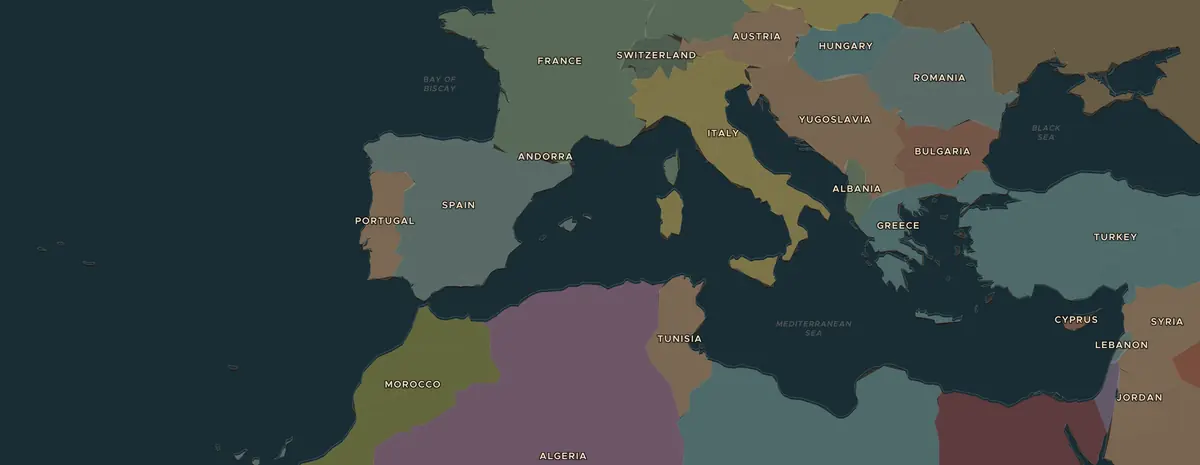
Open the map in 1938 and find Algeria, marked as French, and France across the Mediterranean. How far is Algiers from Marseille? Why did many French people see Algeria as part of France?

Open this view on the map
The map in AD 1960 b

AD 1960

Algiers

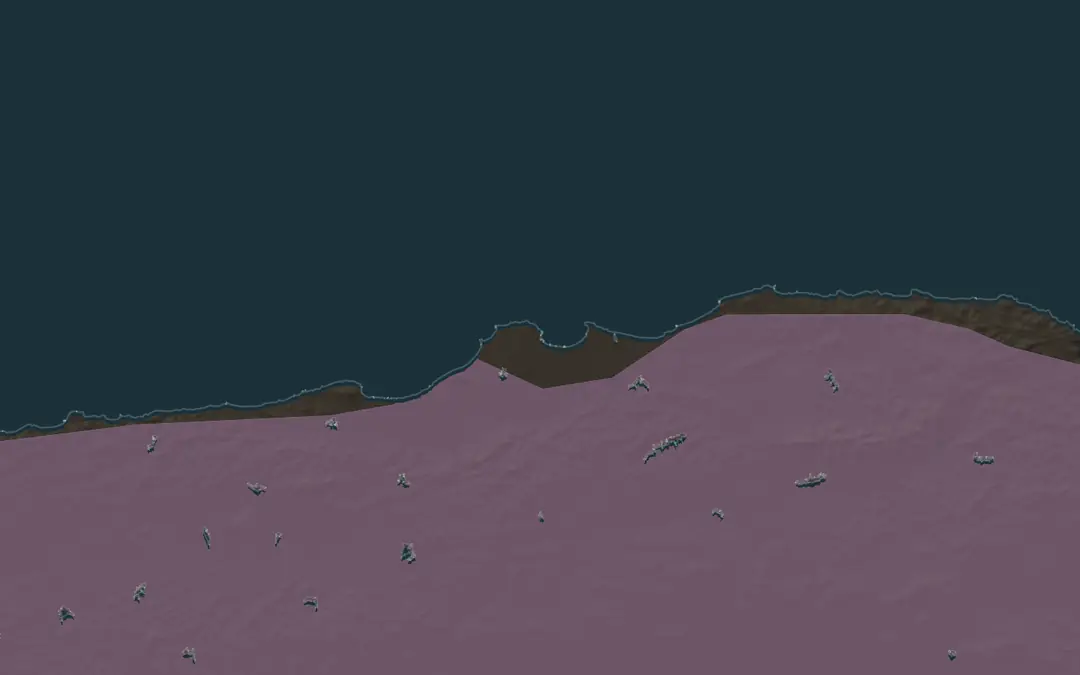
Zoom in on Algiers. Ask the atlas: "What was the Battle of Algiers in 1957?" Why would a war be fought in the narrow streets of a city?

Open this view on the map
The map in AD 1960 c

AD 1960

North Africa

Move to 1960 and zoom out over North Africa. Find Morocco, Algeria and Tunisia. Morocco and Tunisia became independent in 1956. Why did Algeria take until 1962?

Open this view on the map
3

Class discussion

15 min

Pick two or three. They run from what happened to why it mattered.

  1. About a million European settlers lived in Algeria, many born there. What did they fear from independence?
  2. The FLN fought with guerrilla attacks and bombings, and the French army used torture. Why do both still cause debate today?
  3. Algerian Muslims were the large majority but had far fewer rights. How did that feed the war?
  4. De Gaulle came to power in 1958 with the support of those who wanted to keep Algeria French, then let it go. Why did he change course?
  5. For decades France officially spoke of "the events in Algeria" and only called it a war in 1999. Why does the name of a conflict matter?
4

Game round

10 min

Play one round of Rule History as Hannibal Barca, a North African commander who fought a great European power. Then compare: how did the FLN fight France, and what choices did Charles de Gaulle face between 1958 and 1962?

Open Rule History
5

Worksheet

5 min

This worksheet comes with Classroom

€19 per month unlocks every worksheet, the slides of every lesson, every live lesson and the class workspace. The free lesson prints without a subscription.