Qing dynasty · 1616-1683

1644: from Ming to Qing

In 1644 rebels took Beijing, the last Ming emperor died, and the Manchus rode through the Great Wall to found the Qing dynasty. Students trace the collapse on the map and weigh the choices of rebels, generals and conquerors.

Duración
50 minutos
Edades
12–15
En el mapa
3 pasos, 1620 d. C. a 1650 d. C.
Lección en directo
7 rondas, 3 en el mapa
Tarea
Las mismas rondas, durante una semana
Hoja de trabajo
Dos páginas A4, con Classroom
Diapositivas
22 diapositivas, con Classroom
Necesitas
Un proyector; móviles para la versión en directo
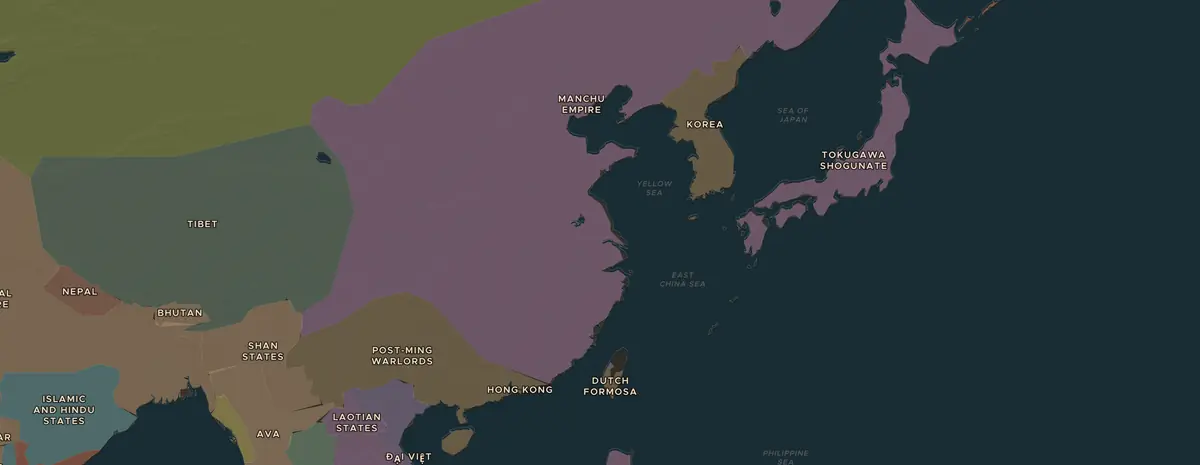
Lámina 350Qing dynasty, 1650 d. C.. Las letras señalan los tres pasos en el mapa de esta lección.

Una llamada de la historia · nuevo

Wu Sangui está al teléfono. La clase decide.

Late May 1644, after Li Zicheng's rebels take Beijing
Shanhaiguan Pass, eastern end of the Great Wall

“You must decide whether to join forces with the Manchus, who promise to help defeat the rebels, or try to fight both the rebels and the Manchus to defend Ming rule alone. If you open the gates to the Manchus, they may help restore order, but they are also foreign invaders. If you refuse, you risk being crushed by the rebels or overrun by the Manchus.”

Should I open the gates to the Manchus and join with them, or try to hold out alone against both sides? La persona que llama habla inglés, con su propia voz, siguiendo una breve ficha de hechos históricos, sin saber nada de lo que ocurrió después ni contar el desenlace; la pantalla lo revela tras la llamada. En la pizarra en directo suena el teléfono para toda la clase: el profesor responde con el micrófono del aula y los alumnos escriben al personaje desde sus móviles.

Inicia sesión para atender la llamada

Las llamadas están incluidas en Pro (5 al mes) y Classroom (20 al mes, para toda la clase). Cómo funcionan las llamadas

Lección en directo · nuevo en Classroom

Enséñala en directo. La clase responde desde sus móviles.

Proyecta la pizarra. Los alumnos entran con un código de seis cifras, sin cuenta, y marcan en el mapa: dónde estaba la frontera, de dónde venía el grano. Al mostrar la respuesta, caen todos los pines y gana el alumno más cercano.

19 € al mes: todas las lecciones en directo, todas las fichas, cancela cuando quieras. Roma en su máximo esplendor funciona en directo gratis.

Una clase en directo en el proyector: los pines de la clase en el mapa alrededor de Alejandría, con los alumnos más cercanos al lado. En el móvil del alumno: la pregunta y un mapa para responder tocando.
7 rondas
3 lugares en el mapa, preguntas tipo test, una votación y una respuesta breve.
Unos 15 minutos
Úsalo como paso del mapa o para iniciar el debate. Avanza con la barra espaciadora.
Un informe
Todas las respuestas, por alumno y por ronda, para revisar o imprimir después.

O como tarea · nuevo

¿No tienes tiempo en clase? Ponlo como tarea.

Las mismas 7 rondas, sin pizarra: cada alumno las hace solo en su móvil, ve todas las respuestas y explicaciones al momento, y el informe se completa a medida que avanzan. Disponible una semana, con un código y un enlace para compartir donde quieras.

La tarea está incluida en Classroom, igual que la clase en directo. Todos pueden poner la lección gratuita como tarea.

Qing dynasty1644: from Ming to Qing

Diapositivas · nuevo

Toda la lección en un solo archivo.

22 diapositivas: la portada, los 3 pasos del mapa con sus imágenes y un enlace al mapa interactivo, las preguntas para debatir, el cuestionario con la respuesta en la siguiente diapositiva y la ficha de actividades. Las notas del orador incluyen sugerencias para explicar. Es un archivo .pptx, así que se abre en PowerPoint, Keynote y Google Slides, y puedes modificar lo que quieras.

Vista previa: las primeras 4 diapositivas

19 € al mes: todas las presentaciones, todas las fichas y todas las clases en directo. Roma en su máximo esplendor incluye todo gratis.

1

Introducción

5 min

Leer en voz alta

In 1644 rebels took Beijing, the last Ming emperor died, and the Manchus rode through the Great Wall to found the Qing dynasty. Students trace the collapse on the map and weigh the choices of rebels, generals and conquerors.

Al terminar la lección, los alumnos podrán

  • Explain why the Ming dynasty collapsed in 1644.
  • Describe how the Manchus took Beijing and founded Qing rule over China.
  • Weigh different views of the change of dynasty, from Ming loyalists to Qing supporters.
2

Explora el mapa

15 min

Proyecta el mapa o deja que los alumnos lo sigan en sus dispositivos. Cada paso abre el mapa en el año y lugar correctos.

El mapa en 1620 d. C. a

1620 d. C.

The Manchus rise

Open the map in 1620 and zoom in north of the eastern end of the Great Wall. Nurhaci's Jurchens, later called Manchus, were building a state here. What lies between them and Beijing?

Abrir esta vista en el mapa
El mapa en 1644 d. C. b

1644 d. C.

Beijing falls

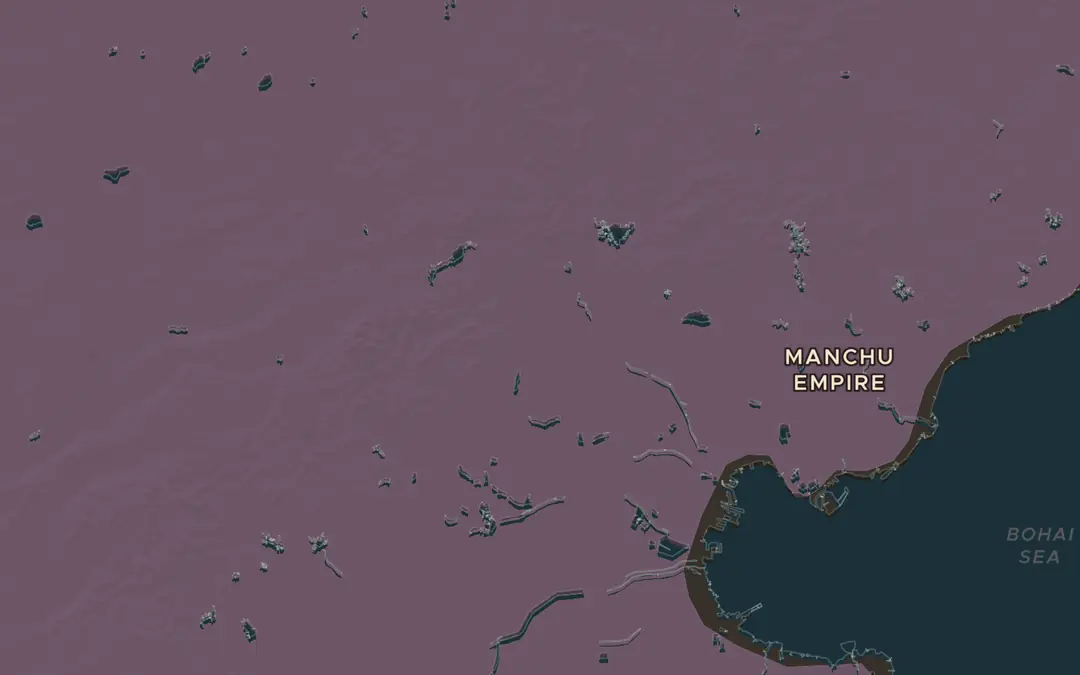
Zoom in on Beijing in 1644. In April rebels under Li Zicheng took the city, and the last Ming emperor took his own life on a hill behind the Forbidden City. Why could the Ming not defend its own capital?

Abrir esta vista en el mapa
El mapa en 1650 d. C. c

1650 d. C.

The last Ming stronghold

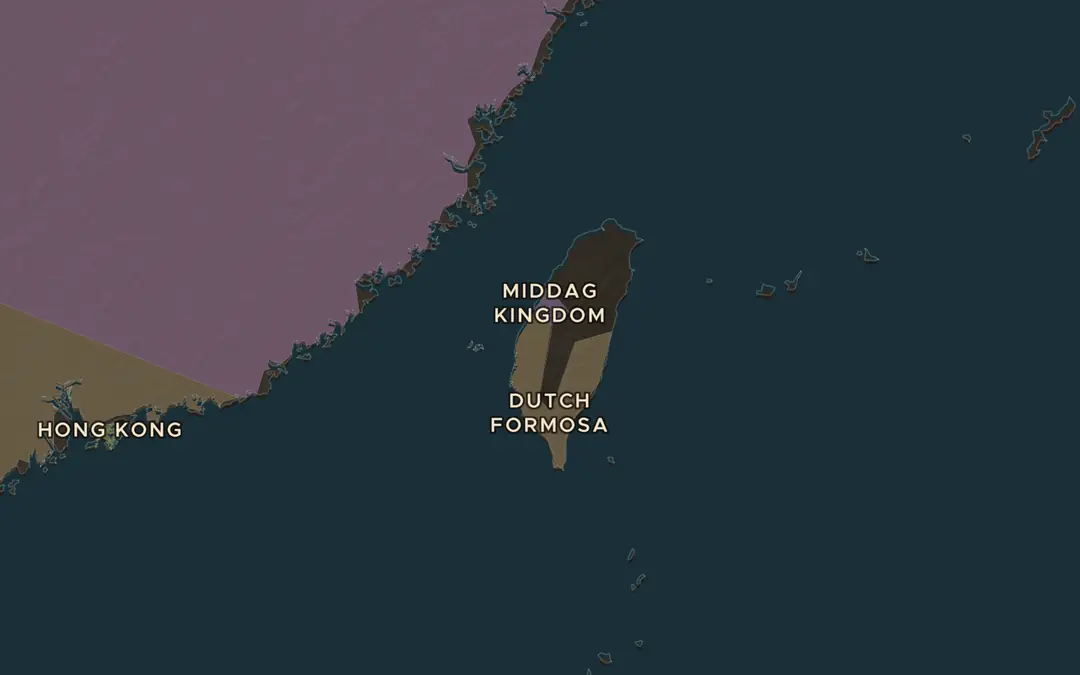
Open the map in 1650 and zoom in on Taiwan. Who holds its southwest coast? In 1662 the Ming loyalist Zheng Chenggong drove them out, and in 1683 the Qing took the island.

Abrir esta vista en el mapa
3

Debate en clase

15 min

Elige dos o tres. Van desde qué pasó hasta por qué fue importante.

  1. In the 1630s and 1640s the Ming suffered famine, cold years and peasant revolts. Which problem do you think was most dangerous, and why?
  2. General Wu Sangui opened the gate at Shanhaiguan to the Manchus. Was he a traitor, or did he have good reasons?
  3. The Qing ordered all Chinese men to shave their foreheads and wear a queue (a long braid). Why would a ruler force people to change their hair?
  4. The Manchus were few but ruled many millions. How did keeping the Ming exams and officials help them?
  5. Why might people in 1644 have seen the Qing either as restorers of order or as foreign conquerors?
4

Ronda de juego

10 min

Rule History has no Ming or Qing emperor, so play Tokugawa Ieyasu, who built a new order in Japan in the same decades. Let students take turns ruling. Then compare: how did Ieyasu and the early Qing each win over the people they had defeated?

Abrir Rule History
5

Hoja de trabajo

5 min

Esta ficha está incluida en Classroom

Por 19 € al mes tienes todas las fichas, las diapositivas de cada lección, todas las clases en directo y el espacio de trabajo de la clase. La lección gratuita se imprime sin suscripción.