Ottoman and Safavid empires · 1514-1639

Drawing a border: Ottomans and Safavids

For 125 years the Sunni Ottomans and the Shia Safavids fought over Iraq, Azerbaijan and the Caucasus. Students follow the wars, see how the Treaty of Zuhab drew a lasting line, and compare it with today's border.

Durée
50 minutes
Âges
13–16
Sur la carte
3 étapes, 1720 apr. J.-C. à 2000 apr. J.-C.
Séquence en direct
7 manches, 3 sur la carte
Devoir à la maison
Les mêmes manches, sur une semaine
Fiche d’activité
Deux pages A4, avec Classroom
Diapositives
22 diapositives, avec Classroom
Matériel nécessaire
Un vidéoprojecteur ; des téléphones pour l’animation en direct
Planche 380Ottoman and Safavid empires, 1720 apr. J.-C.. Les lettres indiquent les trois étapes sur la carte pour cette séquence.

Séquence en direct · nouveau dans Classroom

Animez en direct. La classe répond sur ses téléphones.

Projetez le tableau. Les élèves rejoignent avec un code à six chiffres, sans compte, et pointent sur la carte : où était la frontière, d’où venait le blé… Les réponses s’affichent ensemble à la révélation, et l’élève le plus proche remporte la manche.

19 €/mois : toutes les leçons en direct, tous les exercices, résiliable à tout moment. Rome à son apogée fonctionne en direct gratuitement.

Une leçon en direct au vidéoprojecteur : les marqueurs de la classe sur la carte autour d'Alexandrie, les élèves les plus proches affichés à côté. Sur le téléphone de l'élève : la question et une carte à toucher.
7 manches
3 lieux à retrouver sur la carte, des questions de quiz, un vote de classe et une réponse en une phrase.
Environ 15 minutes
À utiliser comme étape carte ou pour lancer la discussion. Passez à la suite avec la barre d'espace.
Un rapport
Toutes les réponses, élève par élève et manche par manche, à relire ou imprimer après la séance.

Ou en devoir · nouveau

Pas de créneau en classe ? Donnez-le en devoir.

Les mêmes 7 manches, sans tableau : chaque élève avance seul sur son téléphone, voit toutes les réponses et explications, et le rapport se complète au fur et à mesure. Ouvert une semaine, avec un code et un lien à partager où vous voulez.

Les devoirs sont inclus avec Classroom, comme les leçons en direct. La leçon gratuite peut être donnée en devoir par tous.

Ottoman and Safavid empiresDrawing a border: Ottomans and Safavids

Diapositives · nouveau

Toute la leçon en diaporama.

22 diapositives : la page d'accueil, les 3 étapes de carte avec images et lien vers la carte interactive, les questions de discussion, le quiz avec la réponse sur la diapositive suivante, et la fiche d'exercices. Les notes de présentation indiquent quoi dire. Format .pptx : fonctionne avec PowerPoint, Keynote, Google Slides, tout est modifiable.

Aperçu : les 4 premières diapositives

19 €/mois : tous les diaporamas, tous les exercices, toutes les leçons en direct. Rome à son apogée est complet gratuitement.

1

Introduction

5 min

Lire à voix haute

For 125 years the Sunni Ottomans and the Shia Safavids fought over Iraq, Azerbaijan and the Caucasus. Students follow the wars, see how the Treaty of Zuhab drew a lasting line, and compare it with today's border.

À la fin de la leçon, les élèves sauront

  • Describe the main stages of the Ottoman-Safavid wars from 1514 to 1639.
  • Locate Baghdad, Tabriz and the Zagros Mountains and explain why they mattered.
  • Compare the border of 1639 with the border between Iran and Iraq today.
2

Explorer la carte

15 min

Projetez la carte, ou laissez les élèves suivre sur leur appareil. Chaque étape affiche la carte à la bonne année et au bon endroit.

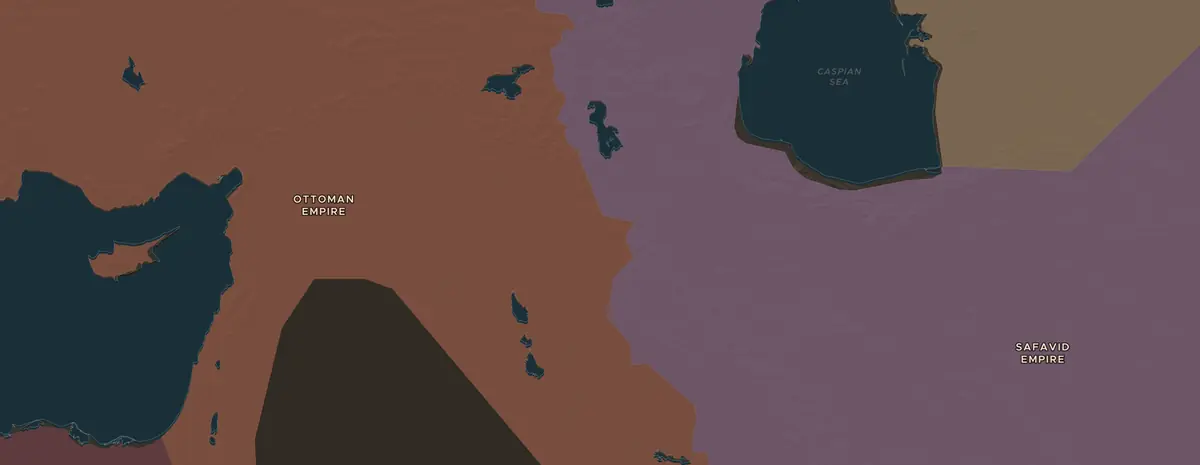
La carte en 1720 apr. J.-C. a

1720 apr. J.-C.

Two rival empires

Open the map in 1720. Find the Ottoman Empire and the Safavid Empire. Follow the border between them from the Caucasus down to the Persian Gulf. Which mountains does it follow?

Ouvrir cette vue sur la carte
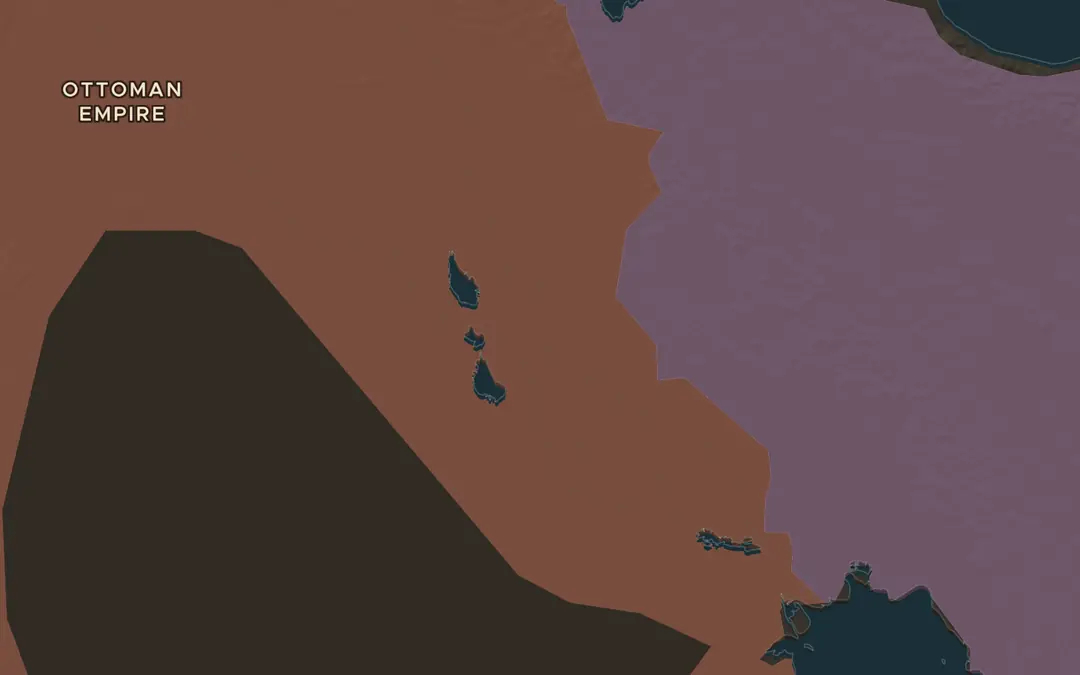
La carte en 1720 apr. J.-C. b

1720 apr. J.-C.

Baghdad between them

Zoom in on Baghdad with the Cities layer on. Baghdad changed hands in 1534, 1624 and 1638. Why did both empires want this city so badly?

Ouvrir cette vue sur la carte
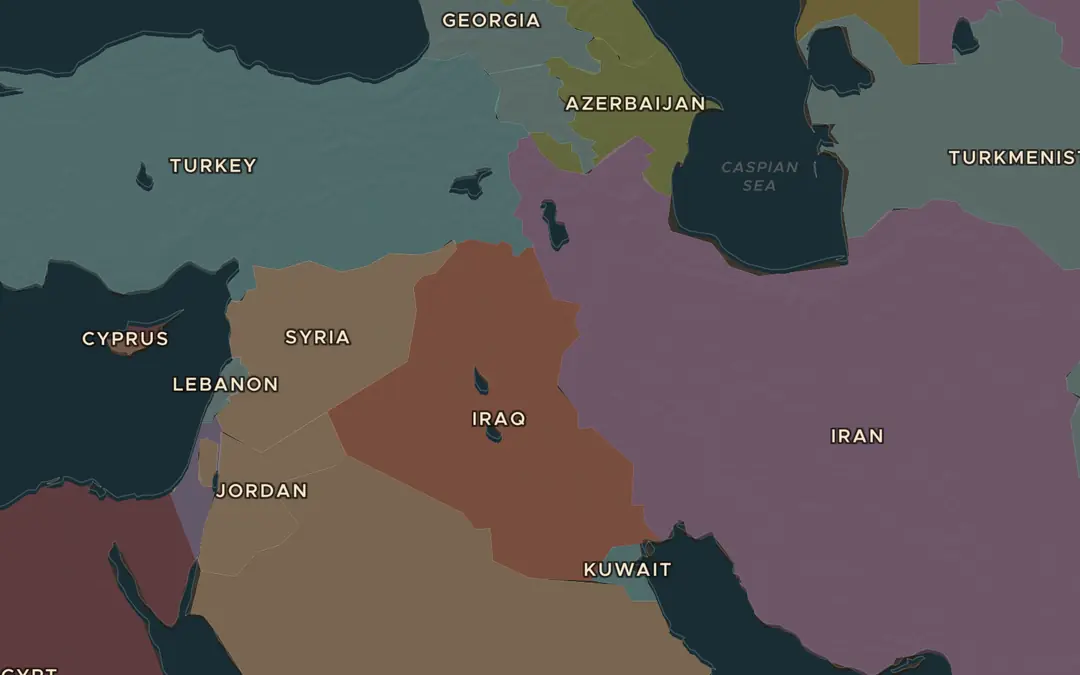
La carte en 2000 apr. J.-C. c

2000 apr. J.-C.

The border today

Jump to 2000 and look at the same area. Compare the border between Iran and Iraq with the border you saw in 1720. What do you notice?

Ouvrir cette vue sur la carte
3

Discussion en classe

15 min

Choisissez-en deux ou trois. Elles vont des faits à leur importance.

  1. The Ottomans were Sunni and the Safavids Shia. How much was their rivalry about religion, and how much about land and power?
  2. Baghdad changed hands three times in about 100 years. What would that mean for the people living there?
  3. Shrine cities sacred to Shia Muslims, such as Karbala and Najaf, ended up in the Sunni Ottoman Empire. Why did that matter to the Safavids?
  4. The Kurds lived in the mountains where the border ran. How can a border between two empires affect a people living on both sides of it?
  5. The line agreed in 1639 is still close to the border between Iran and its western neighbors. Why do some borders last so long?
4

Manche de jeu

10 min

Play one round of Rule History as Suleiman the Magnificent, who took Baghdad from the Safavids in 1534. Discuss: Suleiman had to fight both in Europe and in Iran. What is the danger for an empire that fights on two fronts?

Ouvrir Rule History
5

Fiche d’activité

5 min

Cette fiche est incluse avec Classroom

19 €/mois : toutes les fiches, tous les diaporamas, toutes les leçons en direct et l'espace classe. La leçon gratuite s'imprime sans abonnement.