Viceroyalty of Peru · 1545-1650

Potosí: the mountain of silver

In 1545 a mountain of silver was found high in the Andes. Potosí became one of the largest cities in the world, built on the forced labour of Indigenous miners, and its silver flowed to Spain, Europe and China. Students follow the silver and ask who paid for it.

Duración
50 minutos
Edades
12–15
En el mapa
3 pasos, 1650 d. C.
Lección en directo
7 rondas, 3 en el mapa
Tarea
Las mismas rondas, durante una semana
Hoja de trabajo
Dos páginas A4, con Classroom
Diapositivas
22 diapositivas, con Classroom
Necesitas
Un proyector; móviles para la versión en directo
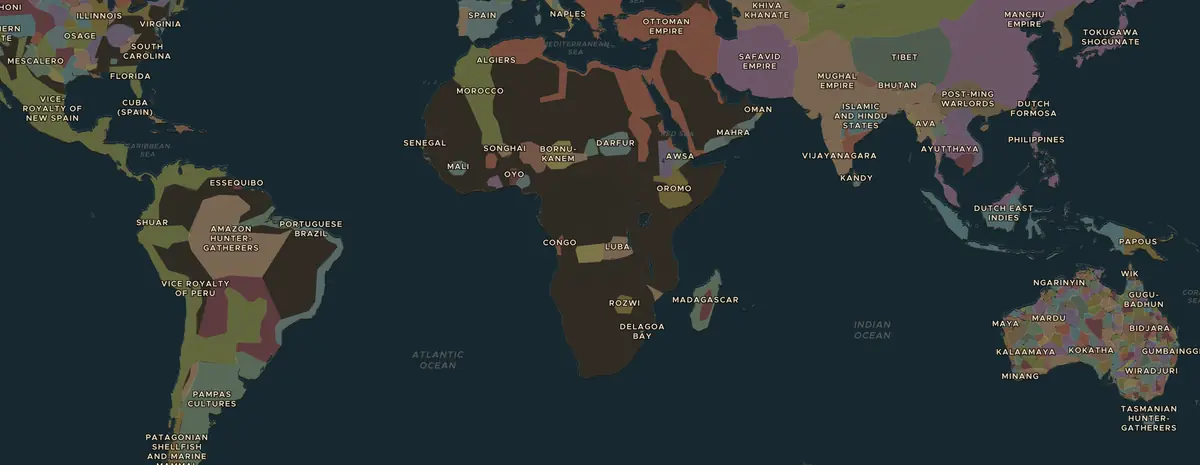
Lámina 360Viceroyalty of Peru, 1650 d. C.. Las letras señalan los tres pasos en el mapa de esta lección.

Una llamada de la historia · nuevo

a Quechua mita miner está al teléfono. La clase decide.

A cold morning in 1600, before entering the mine
The slopes of Cerro Rico, Potosí, Viceroyalty of Peru

“You must decide whether to try to escape back to your village, risking harsh punishment if caught, or stay and finish your forced labor term in dangerous, exhausting conditions. Your family depends on your return, but the mine is deadly and many do not survive. You have heard of others who tried to flee, but some were caught and punished.”

Should I risk escape from the mine, or stay and hope to survive my time here? La persona que llama habla inglés, con su propia voz, siguiendo una breve ficha de hechos históricos, sin saber nada de lo que ocurrió después ni contar el desenlace; la pantalla lo revela tras la llamada. En la pizarra en directo suena el teléfono para toda la clase: el profesor responde con el micrófono del aula y los alumnos escriben al personaje desde sus móviles.

Inicia sesión para atender la llamada

Las llamadas están incluidas en Pro (5 al mes) y Classroom (20 al mes, para toda la clase). Cómo funcionan las llamadas

Lección en directo · nuevo en Classroom

Enséñala en directo. La clase responde desde sus móviles.

Proyecta la pizarra. Los alumnos entran con un código de seis cifras, sin cuenta, y marcan en el mapa: dónde estaba la frontera, de dónde venía el grano. Al mostrar la respuesta, caen todos los pines y gana el alumno más cercano.

19 € al mes: todas las lecciones en directo, todas las fichas, cancela cuando quieras. Roma en su máximo esplendor funciona en directo gratis.

Una clase en directo en el proyector: los pines de la clase en el mapa alrededor de Alejandría, con los alumnos más cercanos al lado. En el móvil del alumno: la pregunta y un mapa para responder tocando.
7 rondas
3 lugares en el mapa, preguntas tipo test, una votación y una respuesta breve.
Unos 15 minutos
Úsalo como paso del mapa o para iniciar el debate. Avanza con la barra espaciadora.
Un informe
Todas las respuestas, por alumno y por ronda, para revisar o imprimir después.

O como tarea · nuevo

¿No tienes tiempo en clase? Ponlo como tarea.

Las mismas 7 rondas, sin pizarra: cada alumno las hace solo en su móvil, ve todas las respuestas y explicaciones al momento, y el informe se completa a medida que avanzan. Disponible una semana, con un código y un enlace para compartir donde quieras.

La tarea está incluida en Classroom, igual que la clase en directo. Todos pueden poner la lección gratuita como tarea.

Viceroyalty of PeruPotosí: the mountain of silver

Diapositivas · nuevo

Toda la lección en un solo archivo.

22 diapositivas: la portada, los 3 pasos del mapa con sus imágenes y un enlace al mapa interactivo, las preguntas para debatir, el cuestionario con la respuesta en la siguiente diapositiva y la ficha de actividades. Las notas del orador incluyen sugerencias para explicar. Es un archivo .pptx, así que se abre en PowerPoint, Keynote y Google Slides, y puedes modificar lo que quieras.

Vista previa: las primeras 4 diapositivas

19 € al mes: todas las presentaciones, todas las fichas y todas las clases en directo. Roma en su máximo esplendor incluye todo gratis.

1

Introducción

5 min

Leer en voz alta

In 1545 a mountain of silver was found high in the Andes. Potosí became one of the largest cities in the world, built on the forced labour of Indigenous miners, and its silver flowed to Spain, Europe and China. Students follow the silver and ask who paid for it.

Al terminar la lección, los alumnos podrán

  • Locate Potosí and explain why its silver mattered to the whole world.
  • Describe the mita system of forced labour and its effects on Andean communities.
  • Trace the routes that carried American silver to Europe and to China.
2

Explora el mapa

15 min

Proyecta el mapa o deja que los alumnos lo sigan en sus dispositivos. Cada paso abre el mapa en el año y lugar correctos.

El mapa en 1650 d. C. a

1650 d. C.

A mountain of silver

Open the map in 1650 and zoom in on Potosí, high in the Andes at about 4,000 m. In the early 1600s it may have had about 160,000 people. Why is it surprising that such a big city grew here?

Abrir esta vista en el mapa
El mapa en 1650 d. C. b

1650 d. C.

Mercury from Huancavelica

Zoom out and find Huancavelica in the mountains of Peru. Its mines produced the poisonous mercury used to separate silver from ore at Potosí. How far apart are the two? Why was this work so dangerous?

Abrir esta vista en el mapa
El mapa en 1650 d. C. c

1650 d. C.

Silver around the world

Turn on Trade Routes and zoom out to the whole world. Find the Spanish Treasure Fleet and the Manila Galleon. Silver went east to Spain and west to Manila, where Chinese merchants traded for it. Where did it end up?

Abrir esta vista en el mapa
3

Debate en clase

15 min

Elige dos o tres. Van desde qué pasó hasta por qué fue importante.

  1. Tradition says an Indigenous man, Diego Huallpa, found the silver in 1545. Why do we know so little about him?
  2. Under the mita, Andean villages had to send men to work in the mines in turns. How would this affect the families left behind?
  3. Mercury was used to separate silver from rock. What do we know today about the dangers of mercury?
  4. A Spanish saying called something precious "worth a Potosí". Whose view of the city does that saying show?
  5. Much of the silver passed through Spain to pay debts and ended up in China. Who really grew rich from Potosí?
4

Ronda de juego

10 min

Play one round of Rule History as Elizabeth I. In her reign English privateers such as Francis Drake attacked Spanish ships and ports to seize American silver. Afterwards, discuss: Potosí's silver made Spain powerful and envied. Who did the work, and who took the profit?

Abrir Rule History
5

Hoja de trabajo

5 min

Esta ficha está incluida en Classroom

Por 19 € al mes tienes todas las fichas, las diapositivas de cada lección, todas las clases en directo y el espacio de trabajo de la clase. La lección gratuita se imprime sin suscripción.