Columbian Exchange · 1518-1620

The great dying: epidemics in the Americas

Smallpox, measles and other diseases from Europe and Africa met people in the Americas who had never faced them. Together with war and forced labour, they caused one of the largest population collapses in history. Students explore how and why, with care.

Duur
50 minuten
Leeftijd
12–15
Op de kaart
3 stappen, 1518 n.Chr. tot 1620 n.Chr.
Live les
7 rondes, 3 op de kaart
Huiswerk
Dezelfde rondes, een week lang
Werkblad
Twee A4’s, bij Classroom
Dia’s
22 dia’s, bij Classroom
Je hebt nodig
Een beamer; telefoons voor live
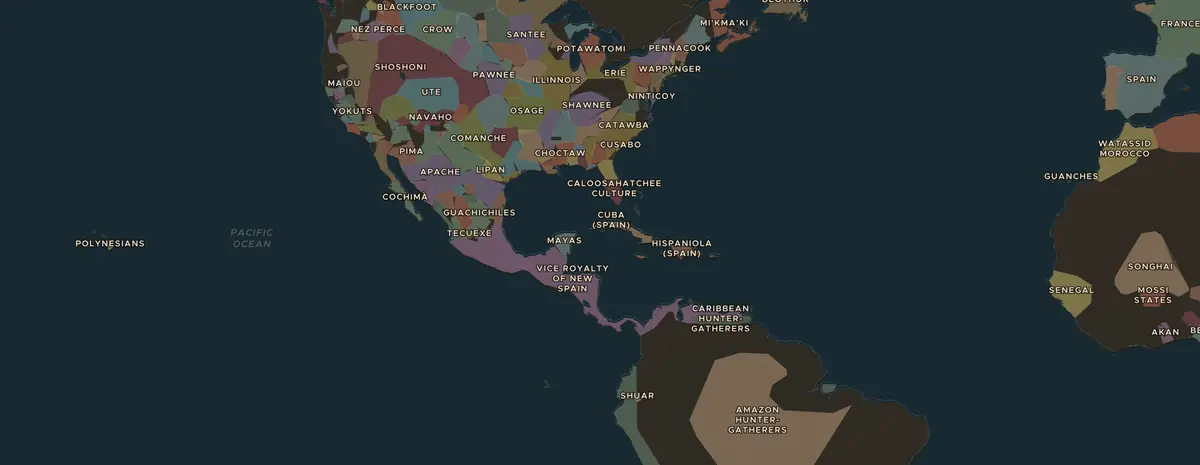
Kaartplaat 318Columbian Exchange, 1530 n.Chr.. De letters geven de drie kaartstappen van deze les aan.

Een telefoontje uit het verleden · nieuw

Cuitláhuac hangt aan de lijn. De klas beslist.

Late autumn, 1520, during the siege of Tenochtitlan
Tenochtitlan, Valley of Mexico

“You must decide how to lead your city through a crisis. A new disease, brought by the invaders, is spreading rapidly and killing many, including warriors and leaders. At the same time, Spanish forces and their allies attack the city. You must choose whether to focus on defending the city, seek peace, or try to save as many people as possible from the sickness.”

Should I keep fighting the invaders, seek peace, or focus on caring for the sick and protecting my people? De beller spreekt Engels, met zijn of haar eigen stem, vanuit een korte samenvatting van feiten uit het lesboek, weet niets van wat later gebeurde en vertelt nooit de afloop; dat zie je na het gesprek op het scherm. Op het livebord rinkelt de telefoon voor de hele klas: de docent neemt op via de microfoon, leerlingen sturen hun antwoord via hun telefoon.

Log in om het telefoontje op te nemen

Telefoontjes zitten bij Pro (5 per maand) en Classroom (20 per maand, voor de hele klas). Hoe telefoontjes werken

Live les · nieuw in Classroom

Geef live les. De klas antwoordt via hun telefoon.

Zet het bord op de beamer. Leerlingen doen mee met een zescijferige code, geen account nodig, en tikken op de kaart: waar lag de grens, waar kwam het graan vandaan. Hun pins verschijnen tegelijk als je onthult, en de leerling die het dichtstbij zit wint de ronde.

€19 per maand: elke les live, alle werkbladen, maandelijks opzegbaar. Rome op zijn grootst loopt gratis live.

Een live les op het digibord: de pins van de klas op de kaart rond Alexandrië, met de dichtstbijzijnde leerlingen ernaast. Op de telefoon van de leerling: de vraag en een kaart om op te tikken.
7 rondes
3 plekken zoeken op de kaart, quizvragen, een klassenstemming en een kort antwoord.
Ongeveer 15 minuten
Gebruik het als kaartopdracht of als start van het gesprek. Je gaat verder met de spatiebalk.
Een rapport
Alle antwoorden, per leerling en per ronde, om terug te lezen of te printen na de les.

Of als huiswerk · nieuw

Geen lestijd over? Zet het als huiswerk klaar.

Dezelfde 7 rondes, zonder digibord: elke leerling doorloopt ze zelf op de telefoon, ziet meteen alle antwoorden met uitleg, en het rapport vult zich automatisch. Een week open, met een code en een link die je overal kunt delen.

Huiswerk hoort bij Classroom, net als de live les. De gratis les kan iedereen als huiswerk geven.

Columbian ExchangeThe great dying: epidemics in the Americas

Dia’s · nieuw

De hele les als presentatie.

22 slides: het titelblad, de 3 kaartstappen met afbeeldingen en een link naar de live kaart, de gespreksvragen, de quiz met het antwoord op de volgende slide, en het werkblad. In de sprekersnotities staat wat je kunt zeggen. Het is een .pptx, dus werkt in PowerPoint, Keynote en Google Slides, en je kunt alles aanpassen.

Voorbeeld: de eerste 4 slides

€19 per maand: de presentatie van elke les, alle werkbladen, elke live les. Rome op zijn grootst is helemaal gratis beschikbaar.

1

Introductie

5 min

Lees voor

Smallpox, measles and other diseases from Europe and Africa met people in the Americas who had never faced them. Together with war and forced labour, they caused one of the largest population collapses in history. Students explore how and why, with care.

Aan het eind van de les kunnen leerlingen

  • Explain why diseases from Europe and Africa were so deadly in the Americas.
  • Trace how smallpox spread from the Caribbean to Mexico and the Andes.
  • Explain why historians link the death toll to war, forced labour and hunger as well as disease.
2

Ontdek de kaart

15 min

Projecteer de kaart, of laat leerlingen zelf meekijken. Elke stap opent de kaart op het juiste jaar en de juiste plek.

De kaart in 1518 n.Chr. a

1518 n.Chr.

First recorded outbreak

Open the map in 1518 over the Caribbean. Smallpox was first recorded in the Americas on Hispaniola in December 1518. Look at the short sea crossings to Cuba and the mainland. How could a disease travel by ship?

Open dit beeld op de kaart
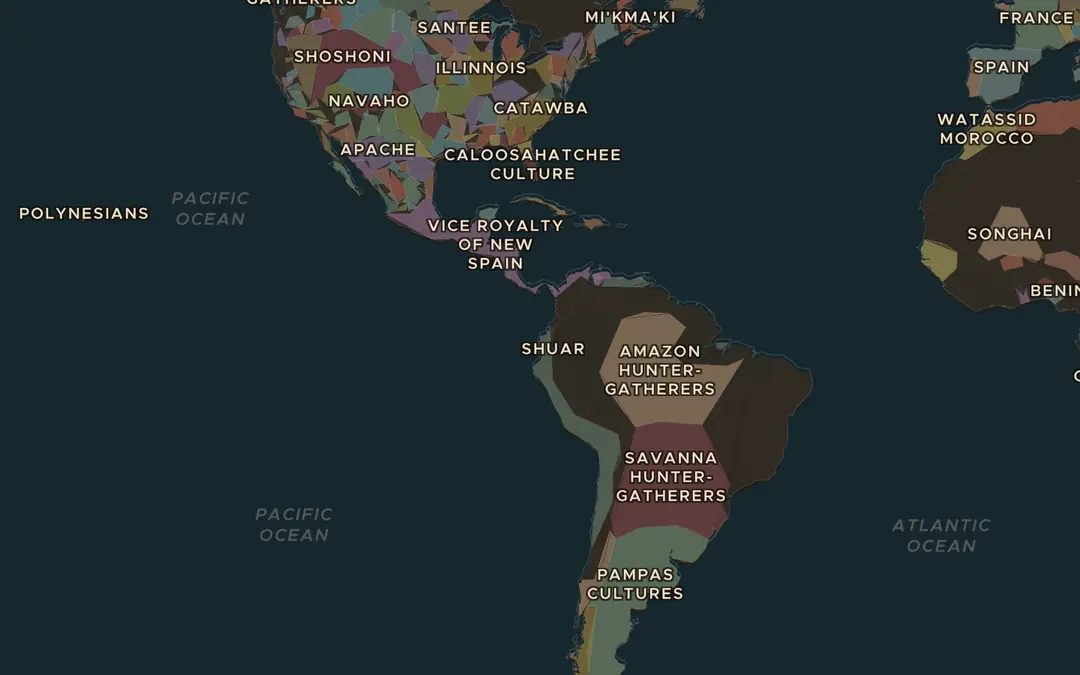
De kaart in 1525 n.Chr. b

1525 n.Chr.

Ahead of the conquerors

Zoom out to the whole of the Americas. Smallpox reached Mexico in 1520 and probably the Andes by the late 1520s, before Pizarro arrived. How could a disease move faster than the Spaniards themselves?

Open dit beeld op de kaart
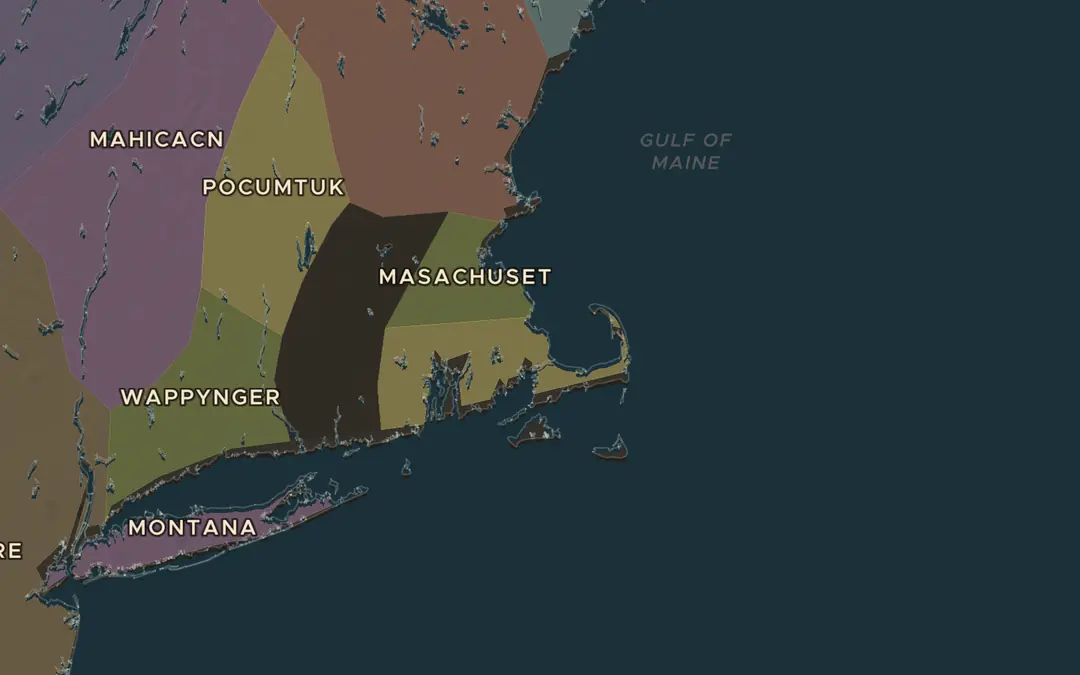
De kaart in 1620 n.Chr. c

1620 n.Chr.

Before the Pilgrims

Move to New England in 1620. An epidemic in 1616-1619 had killed many of the Wampanoag and their neighbours. Find Plymouth Bay: the Pilgrims settled where a village had been emptied. How would that shape the meeting of the two peoples?

Open dit beeld op de kaart
3

Klassengesprek

15 min

Kies er twee of drie. Ze gaan van wat er gebeurde naar waarom het belangrijk was.

  1. People in the Americas had never met smallpox or measles before. Why did that make the diseases so deadly?
  2. Disease struck at the same time as war, forced labour and hunger. How could each make the others worse?
  3. Historians estimate the population of the Americas in 1492 at anywhere from about 8 million to over 100 million. Why are the estimates so far apart?
  4. Many historians think the Indigenous population fell by about 90 percent within a century. How would such a loss change a society's memory, leaders and skills?
  5. Why do we have few records written by the people who lived through these epidemics, and where can we still find their voices?
4

Spelronde

10 min

Play Rule History as Moctezuma II. After his death in 1520, his successor Cuitláhuac ruled for only about 80 days before dying of smallpox. Discuss: how can a ruler lead a city when a new disease is killing a large share of its people, including its leaders?

Open Rule History
5

Werkblad

5 min

Dit werkblad hoort bij Classroom

Voor €19 per maand krijg je alle werkbladen, slides van elke les, elke live les en het klaslokaal. De gratis les kun je altijd printen.