Industrial Revolution · 1780-1850

Cottonopolis: Manchester and the factory age

Steam engines, cotton mills and coal turn a small English town into the world's first great industrial city. Students follow cotton from the plantations of the American South to the mills of Manchester and weigh the progress and the misery of the factory age.

Duur
50 minuten
Leeftijd
11–14
Op de kaart
3 stappen, 1800 n.Chr.
Live les
7 rondes, 3 op de kaart
Huiswerk
Dezelfde rondes, een week lang
Werkblad
Twee A4’s, bij Classroom
Dia’s
22 dia’s, bij Classroom
Je hebt nodig
Een beamer; telefoons voor live
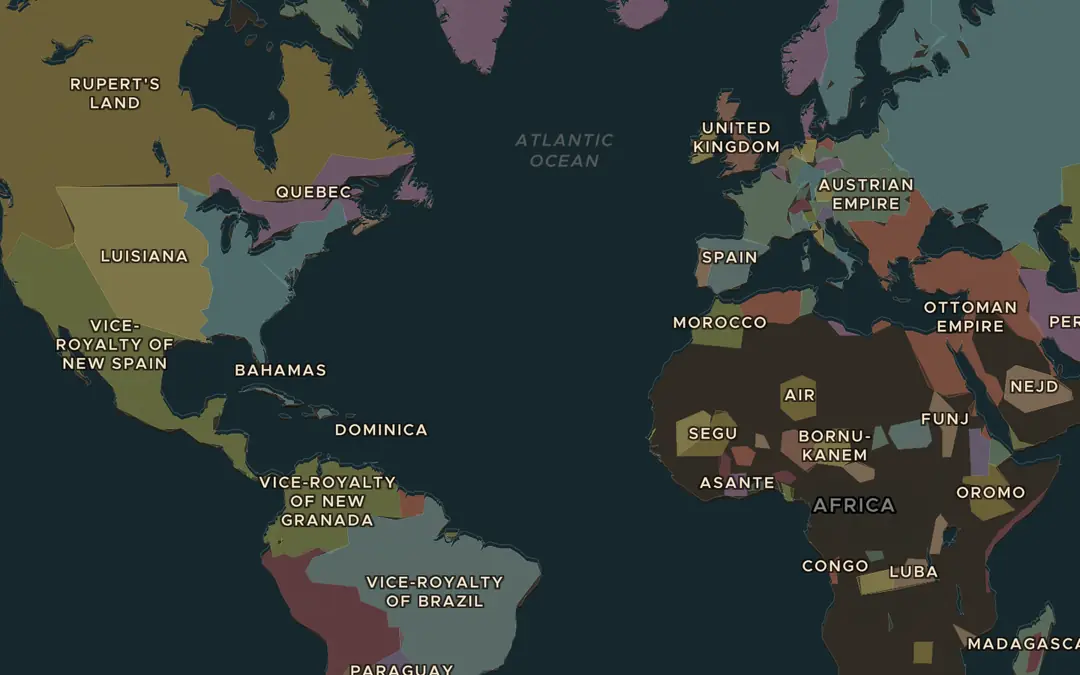
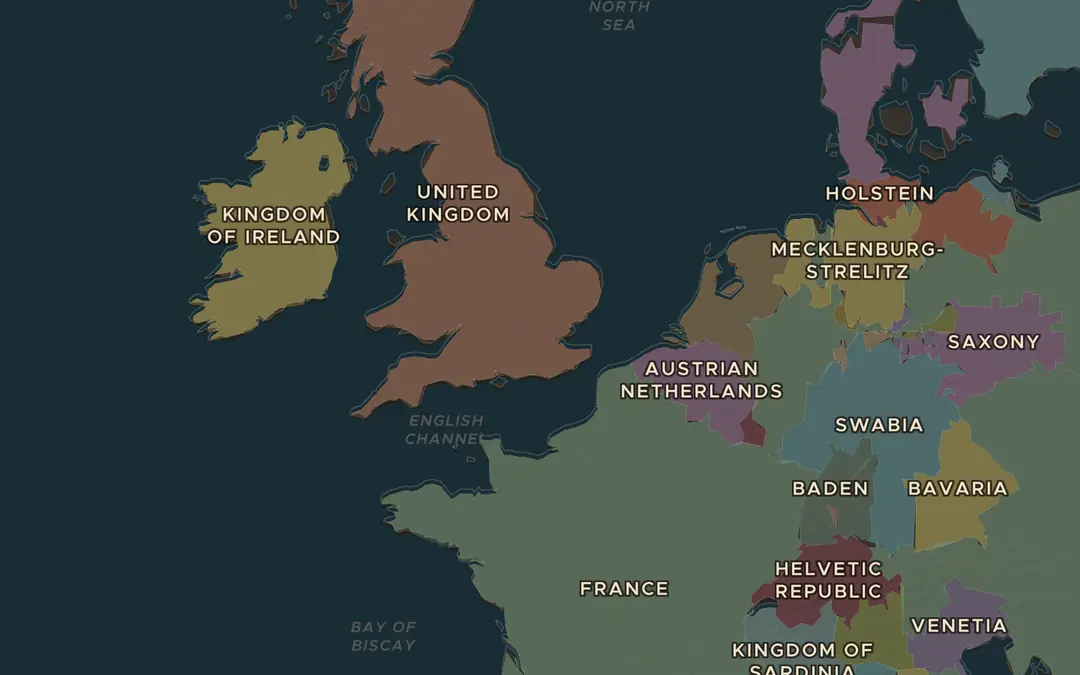
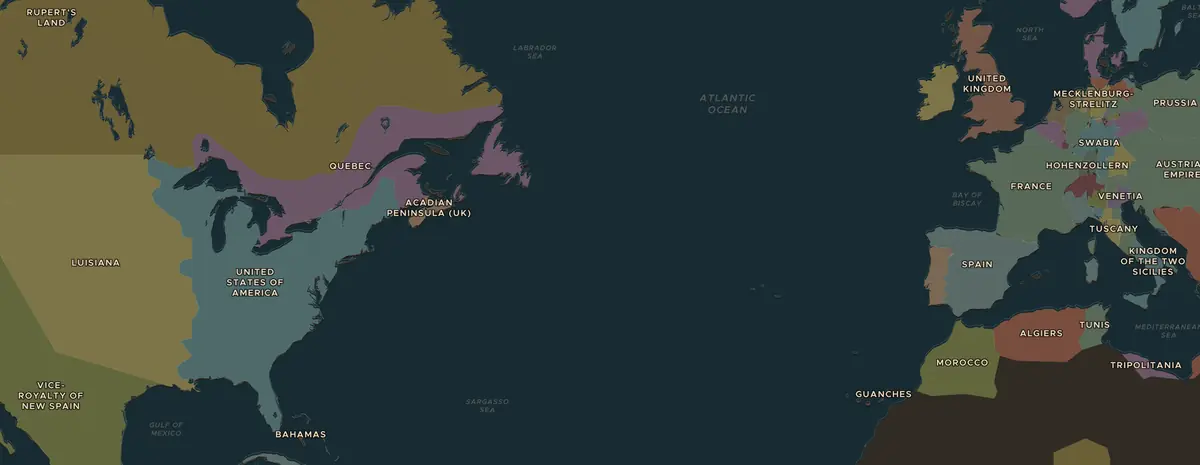
Kaartplaat 401Industrial Revolution, 1800 n.Chr.. De letters geven de drie kaartstappen van deze les aan.

Een telefoontje uit het verleden · nieuw

John Doherty hangt aan de lijn. De klas beslist.

Autumn, 1831
Manchester, England

“You must decide whether to risk forming a workers’ union, even though it is not fully legal and employers may fire or blacklist you. If you organize, you might win better conditions, but you could also lose your job or face arrest. If you do nothing, the long hours and low pay will likely continue.”

Should we go ahead and form a workers’ union, or stay quiet for now? De beller spreekt Engels, met zijn of haar eigen stem, vanuit een korte samenvatting van feiten uit het lesboek, weet niets van wat later gebeurde en vertelt nooit de afloop; dat zie je na het gesprek op het scherm. Op het livebord rinkelt de telefoon voor de hele klas: de docent neemt op via de microfoon, leerlingen sturen hun antwoord via hun telefoon.

Log in om het telefoontje op te nemen

Telefoontjes zitten bij Pro (5 per maand) en Classroom (20 per maand, voor de hele klas). Hoe telefoontjes werken

Live les · nieuw in Classroom

Geef live les. De klas antwoordt via hun telefoon.

Zet het bord op de beamer. Leerlingen doen mee met een zescijferige code, geen account nodig, en tikken op de kaart: waar lag de grens, waar kwam het graan vandaan. Hun pins verschijnen tegelijk als je onthult, en de leerling die het dichtstbij zit wint de ronde.

€19 per maand: elke les live, alle werkbladen, maandelijks opzegbaar. Rome op zijn grootst loopt gratis live.

Een live les op het digibord: de pins van de klas op de kaart rond Alexandrië, met de dichtstbijzijnde leerlingen ernaast. Op de telefoon van de leerling: de vraag en een kaart om op te tikken.
7 rondes
3 plekken zoeken op de kaart, quizvragen, een klassenstemming en een kort antwoord.
Ongeveer 15 minuten
Gebruik het als kaartopdracht of als start van het gesprek. Je gaat verder met de spatiebalk.
Een rapport
Alle antwoorden, per leerling en per ronde, om terug te lezen of te printen na de les.

Of als huiswerk · nieuw

Geen lestijd over? Zet het als huiswerk klaar.

Dezelfde 7 rondes, zonder digibord: elke leerling doorloopt ze zelf op de telefoon, ziet meteen alle antwoorden met uitleg, en het rapport vult zich automatisch. Een week open, met een code en een link die je overal kunt delen.

Huiswerk hoort bij Classroom, net als de live les. De gratis les kan iedereen als huiswerk geven.

Industrial RevolutionCottonopolis: Manchester and the factory age

Dia’s · nieuw

De hele les als presentatie.

22 slides: het titelblad, de 3 kaartstappen met afbeeldingen en een link naar de live kaart, de gespreksvragen, de quiz met het antwoord op de volgende slide, en het werkblad. In de sprekersnotities staat wat je kunt zeggen. Het is een .pptx, dus werkt in PowerPoint, Keynote en Google Slides, en je kunt alles aanpassen.

Voorbeeld: de eerste 4 slides

€19 per maand: de presentatie van elke les, alle werkbladen, elke live les. Rome op zijn grootst is helemaal gratis beschikbaar.

1

Introductie

5 min

Lees voor

Steam engines, cotton mills and coal turn a small English town into the world's first great industrial city. Students follow cotton from the plantations of the American South to the mills of Manchester and weigh the progress and the misery of the factory age.

Aan het eind van de les kunnen leerlingen

  • Explain how machines, steam power and coal changed the way goods were made.
  • Describe living and working conditions in factory towns such as Manchester, including child labour.
  • Connect British industry to cotton grown by enslaved people in the Americas.
2

Ontdek de kaart

15 min

Projecteer de kaart, of laat leerlingen zelf meekijken. Elke stap opent de kaart op het juiste jaar en de juiste plek.

De kaart in 1800 n.Chr. a

1800 n.Chr.

Industrial England

Open the map in 1800 and zoom in on northern England. Find Manchester and its port, Liverpool, about 50 km to the west. Why would factories grow up between coal-rich hills and a sea port?

Open dit beeld op de kaart
De kaart in 1800 n.Chr. b

1800 n.Chr.

Cities explode

Turn on Cities and find London. Drag the time slider from 1800 to 1900 and watch its dot. How much bigger did it grow, and what problems would that bring?

Open dit beeld op de kaart
De kaart in 1800 n.Chr. c

1800 n.Chr.

Cotton across the ocean

Open the map in 1800 and turn on Trade Routes. Follow the Atlantic Triangular Trade. In which English port does it begin and end? What did ships carry on each leg?

Open dit beeld op de kaart
3

Klassengesprek

15 min

Kies er twee of drie. Ze gaan van wat er gebeurde naar waarom het belangrijk was.

  1. Before factories, cloth was spun and woven at home. What changed for families when work moved into mills?
  2. Children worked long hours in mills because they were cheap and small. Why did it take until 1833 to limit their work?
  3. Most of Manchester's raw cotton was grown by enslaved people in the American South. How far was British industry built on slavery?
  4. The Luddites smashed machines. Were they against progress, or against losing their living?
  5. Is an "industrial revolution" happening today? What is changing work now?
4

Spelronde

10 min

No Rule History ruler ran a factory. Play Napoleon Bonaparte: his Continental System tried to ruin Britain by closing Europe to British goods. Discuss: why could Napoleon not defeat a country of factories and ships?

Open Rule History
5

Werkblad

5 min

Dit werkblad hoort bij Classroom

Voor €19 per maand krijg je alle werkbladen, slides van elke les, elke live les en het klaslokaal. De gratis les kun je altijd printen.